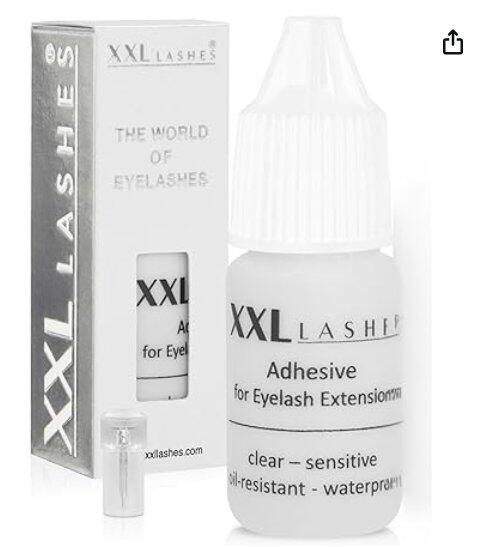
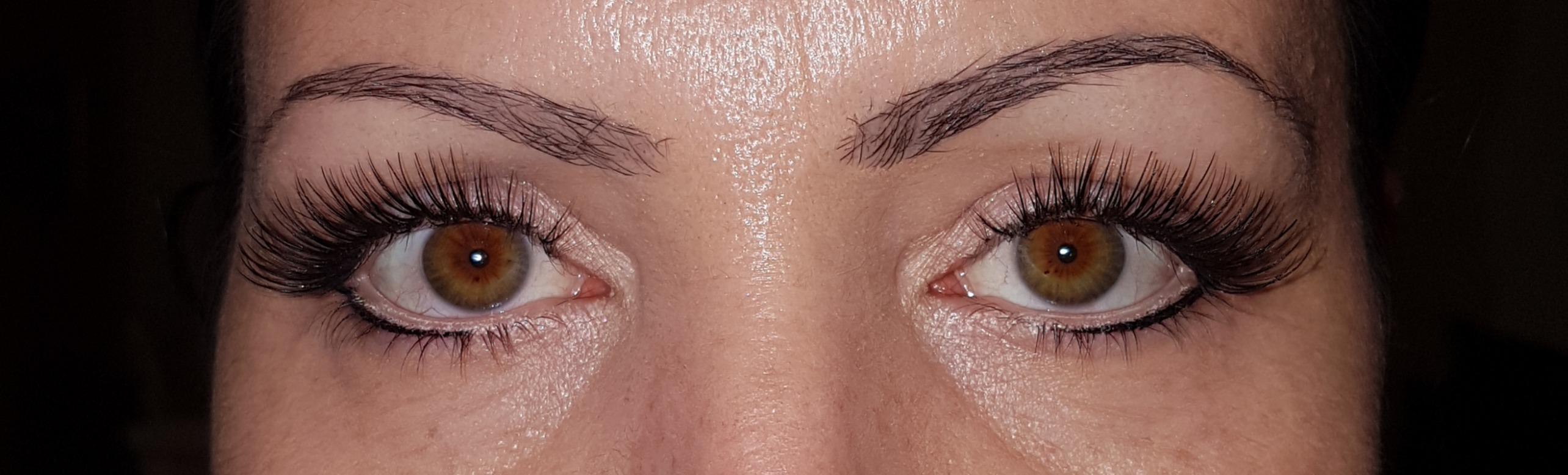
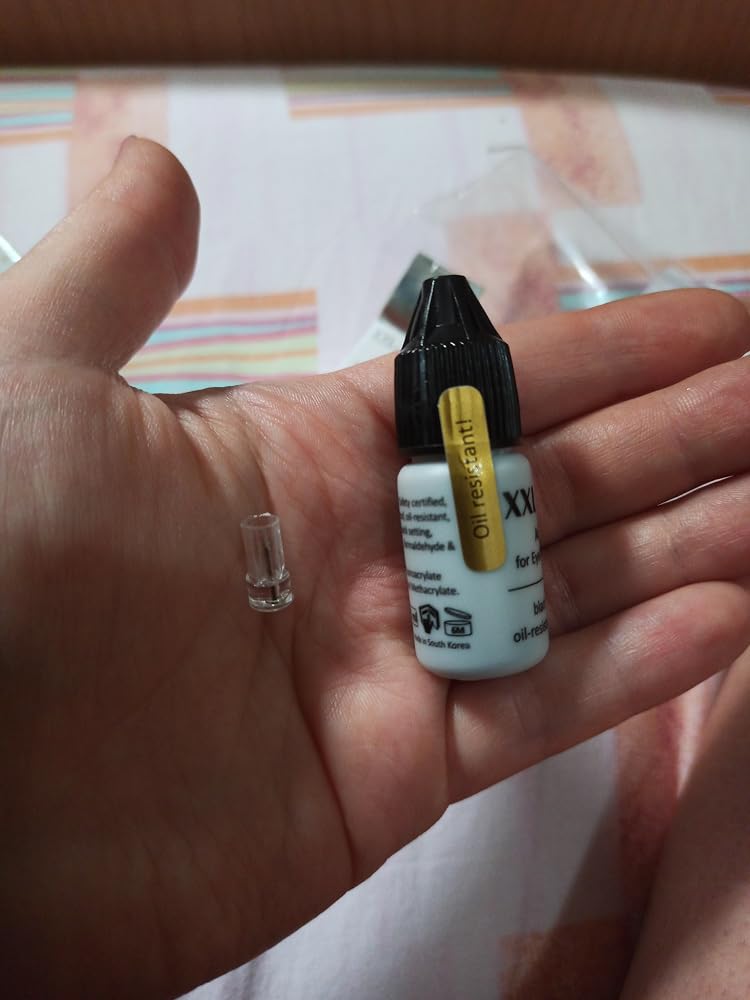
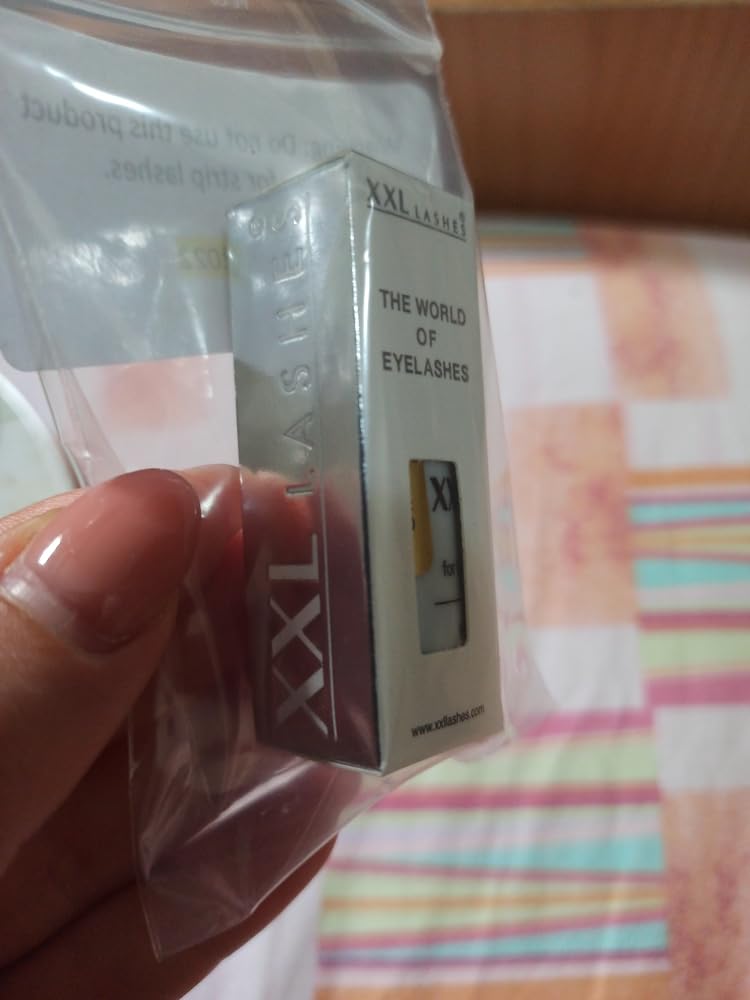
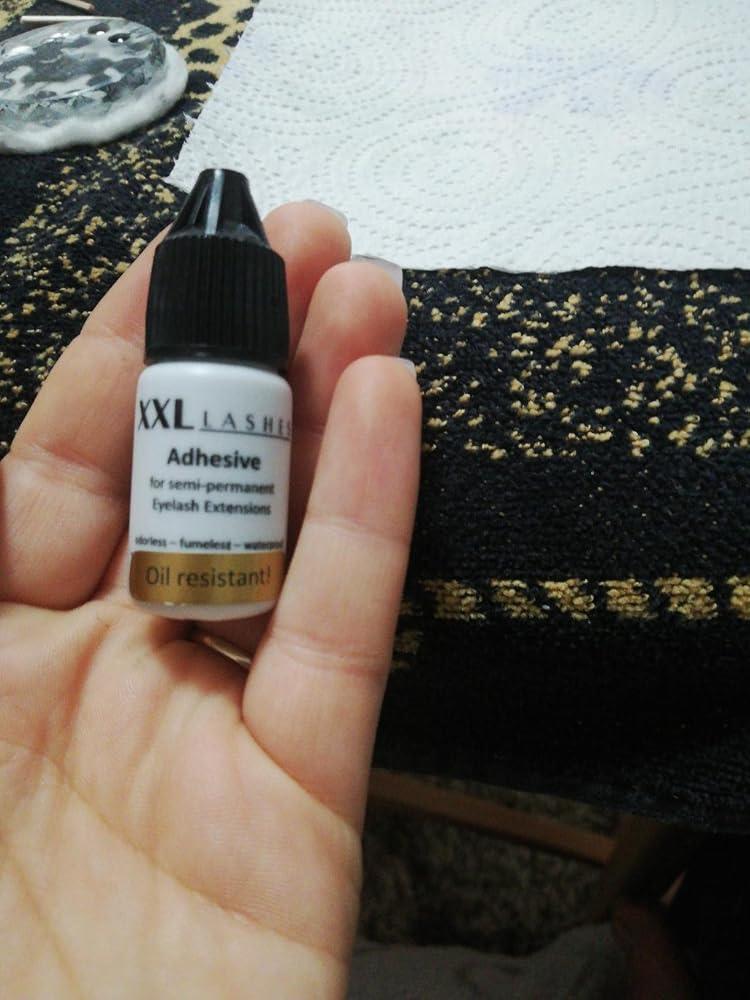
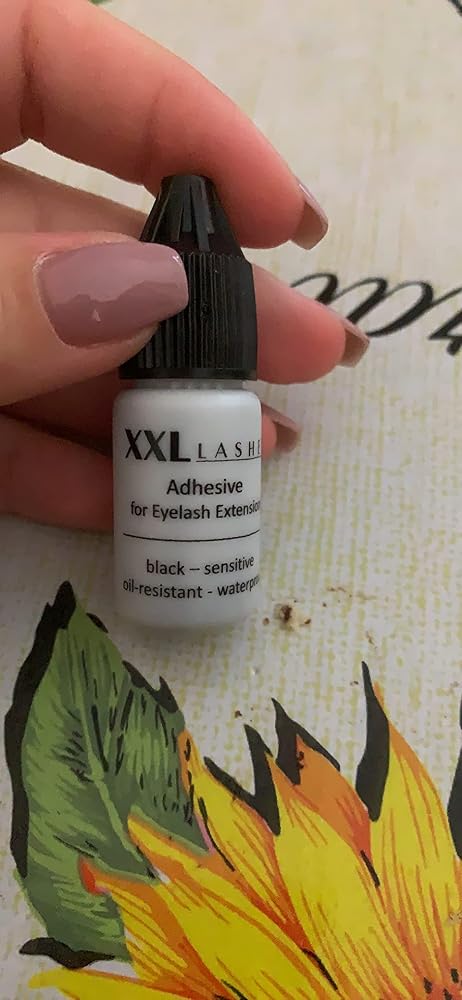
XXL Lashes Adhesive Sensitive is a professional, oil resistant lash adhesive designed for sensitive clients and artists who want a more forgiving working time.
Because oils can weaken adhesive bonds, this formula is designed to stay stable when clients use waterproof mascara, oil-emulsion makeup removers, and skincare near the lash line. It is also a popular choice for beginners because the 4–5 second drying time allows controlled placement and adjustment.
Oil resistant and waterproof once set
Low odour, low fumes for improved comfort
Longer working time for controlled placement (4–5 sec)
Flexible bond helps reduce brittleness for long wear
Great for beginners and advanced artists
Also available in a clear version
Pro tip: Skilled stylists often use a criss-cross lash application technique for clean bonding. For efficient work and longer-lasting drops, you can place adhesive in an adhesive ring, or use a jade stone or glass plate.
Safety note: Avoid direct skin contact. Patch testing is recommended for sensitive clients. Keep out of reach of children. If product enters the eyes, rinse with sterile saline and seek medical advice if needed.
DELIVERY
*We offer same or next-day weekday dispatch. Orders placed on Friday or Saturday may not be dispatched until Monday. The exception is for custom orders, but anything beyond our standard dispatch time is communicated before and at checkout.
We offer free on orders over 75 EUR. Delivery time depends on courier services. Upgrade is available at checkout if you prefer the express service.
We ship internationally. Items are shipped either from our Spain warehouse or for German market from our German warehouse.
Shipping rates will be calculated at checkout. Postage is charged based on a standard parcel, but if shipping costs more than what we have charged you, we will absorb the excess and never ask you to pay more.
International customers (outside the European Union) are responsible for any local import charges/taxes specific to their delivery address which may be due at point of delivery. ---- ---- RETURNS
We have a 30-day return policy, which means you have 30 days after receiving your item to request a return.
To be eligible for a return, your item must be in the same condition that you received it, unworn or unused, with tags, and in its original packaging. You'll also need the receipt or proof of purchase. To start a return, you can contact us at info@xxllashes.com. Please note that returns will need to be sent to the following address: Todologo SL, Calle Miraflores 1, Malaga, C, 29692, Spain
If your return is accepted, we’ll send you instructions on how and where to send your package. Items sent back to us without first requesting a return will not be accepted. Please note that if your country of residence is not Spain, shipping your goods may take longer than expected. You can always contact us for any return questions at info@xxllashes.com.
Damages and Issues Please inspect your order upon receipt and contact us immediately if the item is defective, damaged, or if you receive the wrong item, so that we may evaluate the issue and make it right. A documentation about a defect, like photos, will be required.
Exchanges The fastest way to ensure you get what you want is to return the item you have, and once the return is accepted, make a separate purchase for the new item.
Refunds We will notify you once we’ve received and inspected your return to let you know if the refund was approved or not. If approved, you’ll be automatically refunded on your original payment method within 10 business days. Please remember it can take some time for your bank or credit card company to process and post the refund too. If more than 15 business days have passed since we’ve approved your return, please contact us at info@xxllashes.com.
Setting: 4-5 sec
Durability: 8-10 weeks
Viscosity: high
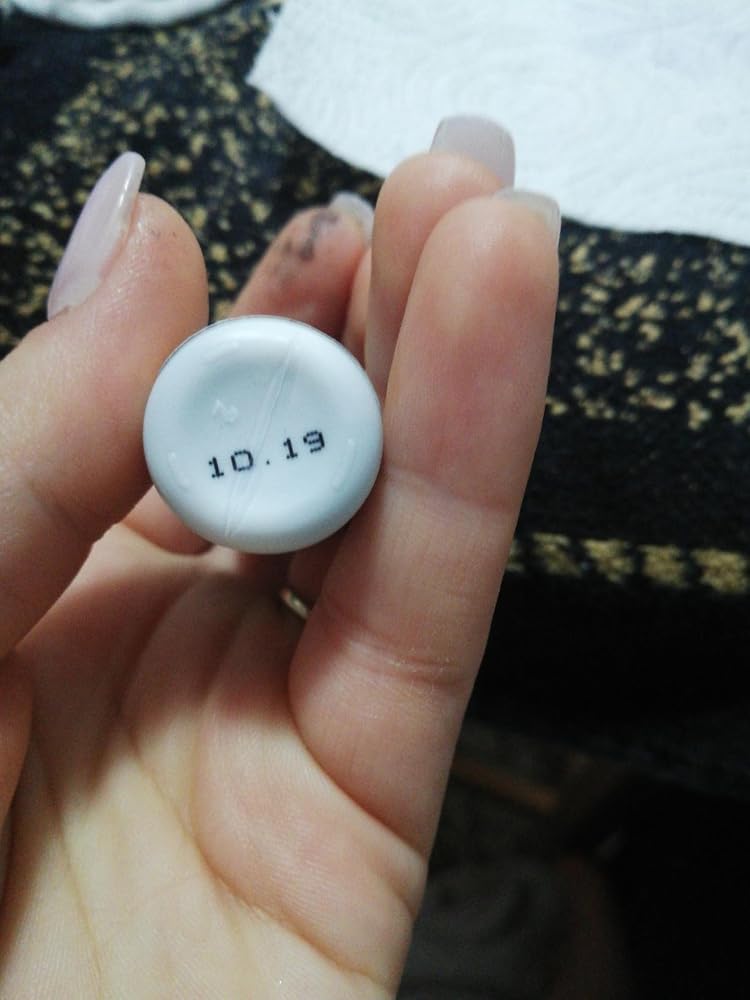
Shelf life:
12 months
sealed
After opening: 4-6 months
Working range: 18–27°C / 40–80% humidity
Bond: Flexible + Gentle
Colour: Black or Clear
Vegan〰️Latex free〰️No formaldehyde〰️
Comfort-focused bonding
Designed for clients who are more sensitive to fumes and for artists who prefer a gentler experience.
More working time
Slower setting gives more control for placement and is often preferred by beginners and improving artists.
Everyday reliability
Balanced performance for consistent results when you want a more forgiving adhesive behaviour.
ideal for advanced classic and volume lash artists
our fastest setting adhesive
strong, flexible bond designed for maximum hold
the best choice for master techs
Key characteristics
fastest setting
immediate bonding
with the widest humidity range
maximum retention
works in more environments
Adhesive type
ethylcyanoacrylate based
(no alkoxycyanoacrylate)
More specs
Shelf life (unopened): 7-9 months
After opening: 2-3 months
Viscosity: very low
More info
How to use
How to use lash adhesive for best retention
Quick answer: Let the bottle reach room temperature naturally, shake well, keep the nozzle clean, refresh drops on time, and always pick up adhesive from the centre of the drop.
Pro steps (do this every appointment)
Bring to room temperature (naturally): Let the adhesive sit at room temperature for 30 minutes before treatment. Do not heat it up (no warm water, no radiator, no hair dryer). Fast temperature changes can damage performance. Thinner adhesives may separate more; this is normal. Shake for about 20 seconds before dispensing.
Cap discipline: Do not leave the bottle open unless necessary. Air and moisture enter quickly and can cause the glue to deteriorate.
Clean the nozzle properly: After every use, wipe the nozzle with a lint-free wipe. Do not use cotton wool or baby wipes. Fibres can react with cyanoacrylate and may cause an exothermic reaction.
Refresh your glue drop: Replace the adhesive drop every 15–20 minutes. Adhesive cures from the outside in, so dip into the middle of the drop to pick up the freshest adhesive.
Control the pull-out: To prevent excess adhesive sticking to the extension, pull the lash or fan out slowly from the centre of the drop. This helps keep the adhesive layer thin and consistent.
Client prep (this is where retention is won)
Quick answer: Even the best adhesive won’t hold if the natural lashes are coated in oils, skincare, makeup residue, or dust. Proper prep improves bonding and reduces early shedding.
Cleanse properly: Start with a professional lash cleanser / lash shampoo to remove oils, makeup, and skincare residue from the lash line. Use XXL Lashes Eyelash Shampoo and dry thoroughly before you start.
Remove remaining oils: If the client wears heavy skincare, sunscreen, or makeup, do a second cleanse or a targeted lash-line cleanse to ensure the surface is squeaky clean.
Prime the surface: Apply a professional lash primer to support consistent bonding (especially helpful for oily clients). Use XXL Lashes Primer as directed and avoid over-saturating the lashes.
Apply extensions as usual: Use correct isolation, minimal adhesive, and avoid “stickies” (stickies reduce retention and comfort).
Seal / finish (optional but useful): A professional lash sealer can help protect the bond from dust and moisture during the early period after treatment. Use XXL Lashes Sealer as directed.
Common mistakes that reduce retention
Using adhesive straight from a cold room or after transport without letting it naturally reach room temperature
Heating the bottle (warm water, radiator, hair dryer) or exposing it to big/fast temperature changes
Leaving the bottle uncapped between drops
Cleaning the nozzle with cotton or fibrous wipes
Using an old glue drop for too long
Dipping on the surface of the drop instead of the centre
Skipping cleansing or using products that leave residue (oils, conditioners, heavy skincare)
Not drying lashes fully before starting
Applying primer onto oily lashes instead of cleansing first
Touching lashes with fingers during application (adds oils back)
Applying too much primer or sealer (can interfere with bonding)
Troubleshooting FAQ
My retention is poor even though I’m using a good adhesive. Why?
In most cases it’s prep (oils/residue), room conditions (temperature/humidity), old glue drops, or too much adhesive. Start by improving cleansing, refresh drops every 15–20 minutes, and confirm your working range.
Can I speed up acclimating the bottle with warm water or a hair dryer?
No. Only let lash adhesive reach room temperature naturally. Heating or rapid temperature changes can damage performance and shorten shelf life.
How often should I change my glue drop?
Every 15–20 minutes (often sooner in very dry or very humid environments). Adhesive cures from the outside in, so always take adhesive from the centre of the drop.
Why do I get “stickies”?
Common causes are too much adhesive, incorrect isolation, placing extensions too close together, or working too slowly for the adhesive speed. Use minimal glue and isolate carefully.
Should I always use primer and sealer?
Primer is especially helpful for oily clients or inconsistent bonding. Sealer can help protect the bond after treatment, but both should be used correctly and not over-applied.
Tips to avoid irritation
How to reduce fumes and irritation
Quick answer: Most irritation comes from lash glue fumes and using too much adhesive. Let the drop settle, use a nano sprayer, and keep adhesive use minimal.
Pro steps (do this every appointment)
Let the glue drop settle: After dispensing, allow the drop to sit for at least 5 minutes before you start applying.
Use a
Nano Sprayer
: It helps reduce airborne fumes during the service and improves comfort for clients with sensitive eyes.
Use less glue (most important): Dip slowly into the middle of the glue dot, not too deep and not on the surface. This gives a thin coating and reduces fumes.
Common mistakes that increase irritation
Working immediately after dispensing a fresh drop
Using too much adhesive (thick coating)
Dipping too fast or too deep
Dipping on the surface instead of the centre of the glue dot
Troubleshooting FAQ
Eyes watering during the service? Usually fume exposure. Pause, confirm eyes are fully closed, reduce adhesive amount, and use the nano sprayer.
Burning or stinging? Stop and assess immediately. This is often fumes reaching the eye area or contact. Do not continue if discomfort persists.
Redness after the appointment? Commonly fume sensitivity or mechanical irritation (pads/tape, rubbing). Improve ventilation, minimise adhesive, and use fume-management steps.
Sensitive eyes, how to make it more comfortable? Use minimal adhesive, let the drop rest, refresh drops on time, and use a nano sprayer.
Still strong fumes? Check room conditions (humidity/temperature), refresh drops more often, and confirm the bottle is fresh and stored correctly.
Shelf life & storage
Storage and shelf life
Quick answer: Lash adhesive (cyanoacrylate) reacts with moisture. Correct storage prevents thickening, clogging and poor retention, and helps you get the best shelf life after opening.
Best storage practices (pro tips)
Do not refrigerate: Never store eyelash extension glue in the refrigerator. Temperature swings can create condensation, and moisture can harden the adhesive.
Store cool + dark: Keep the bottle in a dark and dry place at around 20°C (ideal range: 18–24°C).
Use a dry container: Store in a thermopack with silica gel or a sealed jar.
Moisture control option: A jar with rice can help reduce moisture exposure (rice absorbs humidity and helps keep the glue bottle dry).
Best working conditions (humidity + temperature)
Best storage temperature:18–24°C
Best working humidity:50–80%
If room temperature is too low, the adhesive can take longer to cure. In that case, artists often use a Nano Sprayer to help manage curing and comfort.
Troubleshooting FAQ
Why shouldn’t I store lash glue in the fridge? Fridges cause temperature changes and condensation. Moisture can trigger cyanoacrylate to harden and shorten shelf life.
My glue thickened or turned stringy. What does that mean? Usually moisture exposure, age, or leaving the bottle open too long. Improve storage (sealed container + silica gel) and cap discipline. When this happens, it is best to dispose of the glue and purchase a new one.
What’s the best way to store an opened bottle? Keep it sealed, dry and dark (18–24°C). Store in a thermopack with silica gel or a sealed jar with rice to keep humidity away from the adhesive.
My room is cold and the glue cures slowly. Warm the room if possible and keep within the recommended range. Many artists use a Nano Sprayer to support curing and reduce discomfort.
Viscosity
Viscosity, what it means in practice
Quick answer: Lash adhesive viscosity (how thin or thick the glue is) affects drying speed, working time, and how forgiving the adhesive feels during application. In simple terms: thinner glues set faster, thicker glues give more placement time.
How viscosity affects speed and working time
Lower viscosity (thinner lash glue): polymerises faster, so it sets faster. This is ideal for advanced artists who work quickly and want a faster service pace.
Higher viscosity (thicker lash glue): takes longer to harden, so you have more time to place and adjust the extension. This can feel easier and more forgiving for beginners.
What fast setting really means (no scare tactics)
Fast setting is not automatically a disadvantage. It simply means you can and often must work faster. For experienced artists, this can help increase efficiency and allow more clients per day.
Why very thin, very fast adhesives often have a shorter usable life after opening
Cyanoacrylate reacts and hardens when exposed to moisture in the air. Once a bottle is opened, tiny amounts of humidity and air exposure begin to affect the glue inside the bottle and at the nozzle.
Faster, thinner adhesives are often more reactive: they can start to thicken or change performance sooner once opened, especially if the bottle is opened frequently or stored poorly.
Nozzle area is the first to suffer: moisture at the tip can cause partial curing, which leads to clogging and inconsistent drops.
Real-world result: even if an adhesive is excellent on day one, its performance can drop faster after opening if it is very thin and fast, because it is less forgiving to moisture exposure.
Pro takeaway: shelf life depends on the formula and storage, but after-opening life is strongly affected by moisture exposure. Cap discipline and dry storage matter more than most people think.
Shake before use (why separation is normal)
You may notice separation in the bottle. The thinner the adhesive, the more visible this separation can be. This is normal. Shake before use so the ingredients are fully mixed and performance stays consistent.
Troubleshooting FAQ
Does thinner glue always mean worse retention?
Not automatically. Thin, fast adhesives can give excellent retention in the right hands. The main difference is that they are less forgiving, timing, technique, and room conditions matter more.
Why does my glue look separated?
Separation is normal, especially in lower-viscosity adhesives. Shake well before dispensing so the formula is evenly mixed.
My glue thickens quickly after opening. Why?
Most often it is moisture exposure and frequent opening. Keep the bottle closed whenever possible, store it dry and dark, and avoid leaving the nozzle exposed.
What viscosity should I choose?
If you work very fast and want immediate bonding, choose a thinner adhesive. If you want more control and placement time, a thicker adhesive is usually easier and more forgiving.
Ingredients
Ingredients overview (what matters for lash artists)
Quick answer: Lash adhesives are based on cyanoacrylate plus small amounts of stabilisers and performance additives. What you feel as “fumes” and “sensitivity” is mostly driven by the type of cyanoacrylate and how fast it reacts with moisture in the air.
Cyanoacrylate: the bonding ingredient
Cyanoacrylate is the same adhesive chemistry used in many high-performance applications. When it contacts small amounts of moisture (including natural humidity), it polymerises (hardens) quickly and forms the bond.
Formaldehyde: why it’s discussed and what’s true
This topic gets confused online. In real chemistry terms, trace formaldehyde can be released as cyanoacrylate polymers slowly break down (hydrolyse), especially with moisture and time. That does not mean “formaldehyde is added on purpose” as a normal ingredient. It’s better to think of it as a potential trace by-product of degradation, and the exact amount depends on formulation and conditions.
Our position (simple): XXL Lashes adhesives are formulated with cyanoacrylate systems designed for professional use, and we do not use formaldehyde as a stabiliser in the formula.
Some cyanoacrylate adhesives contain very small amounts of hydroquinone as a polymerisation inhibitor (a stabiliser that helps prevent premature curing in the bottle). You can see this listed in some SDS documents (for example at ~0.1%). XXL Lashes adhesives are formulated to be hydroquinone-free.
Alkoxy-based vs ethyl-based cyanoacrylates (sensitivity and fumes)
Ethyl-based cyanoacrylates: commonly chosen for strong, fast bonding. They can feel “sharper” in fumes depending on formula and conditions.
Alkoxy or alkoxyethyl-based cyanoacrylates: tend to have lower vapour pressure (less volatility), so they are often used in “low odour / low fume” style formulations, usually with a slower cure profile.
“Is cyanoacrylate carcinogenic?”
For the cyanoacrylate monomers used in commercial adhesives, the key regulated hazards are typically irritation and sensitisation risk, not cancer classification. For example, the EU registration dossier for ethyl 2-cyanoacrylate lists hazard classifications but does not classify it as carcinogenic.
Medical use
Cyanoacrylate chemistry is also used in regulated medical products for skin closure, such as 2-octyl cyanoacrylate, which received FDA approval in 1998. This is simply context that the chemistry is well-studied. Lash adhesives are still for professional lash application only and not intended for skin wound closure.
Troubleshooting FAQ
So is lash glue “formaldehyde-free”? A strict “zero formaldehyde” claim is hard with cyanoacrylates because trace formaldehyde can appear as a degradation by-product. The honest and professional wording is: no formaldehyde is added as a stabiliser, and any trace detection is typically linked to chemistry and ageing, not intentional addition.
Why do some people react more than others? Sensitivity varies by client. Fume exposure, humidity/temperature, adhesive amount, and placement technique all change how noticeable the fumes are. Lower-volatility (often alkoxy-based) formulas can feel milder for some clients.
What about hydroquinone? Some cyanoacrylates use hydroquinone in tiny amounts as an inhibitor. All XXL Lashes adhesives are hydroquinone-free.